The Dream of the Vineyard
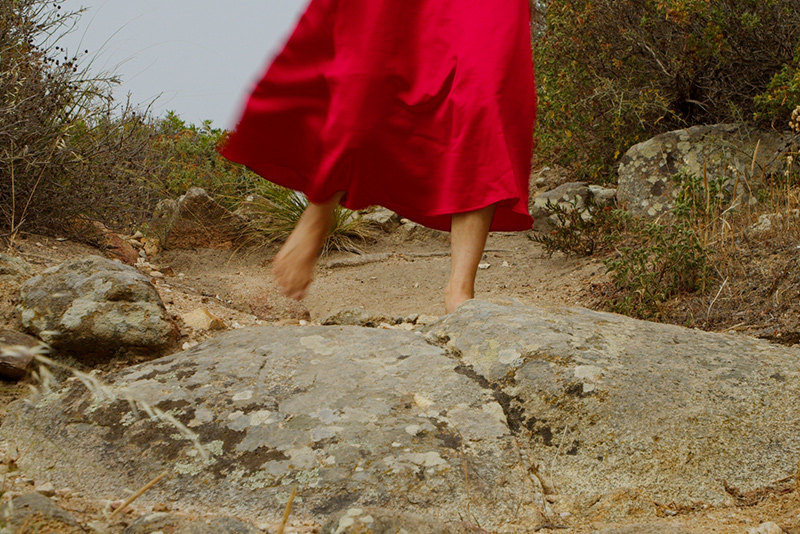
Imagine a day among friends. Together, you explore coastal trails as afternoon turns to evening. Reaching the vineyard takes some effort, leading you through kingdoms that ordinarily remain unseen. Not because they are invisible, but because they are hidden.
Now it’s time for you and your friends to dream, as one—about these places that exist only because they’ve long been the stuff of shared dreams, these little lives that become vast.
Really, even those who believe they dream alone belong to the dreams of others. They become part of the shared dream. They become the island.
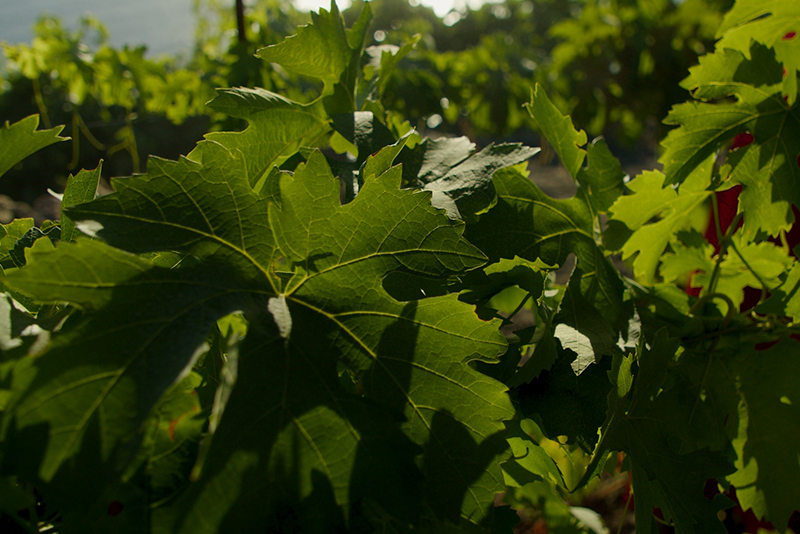
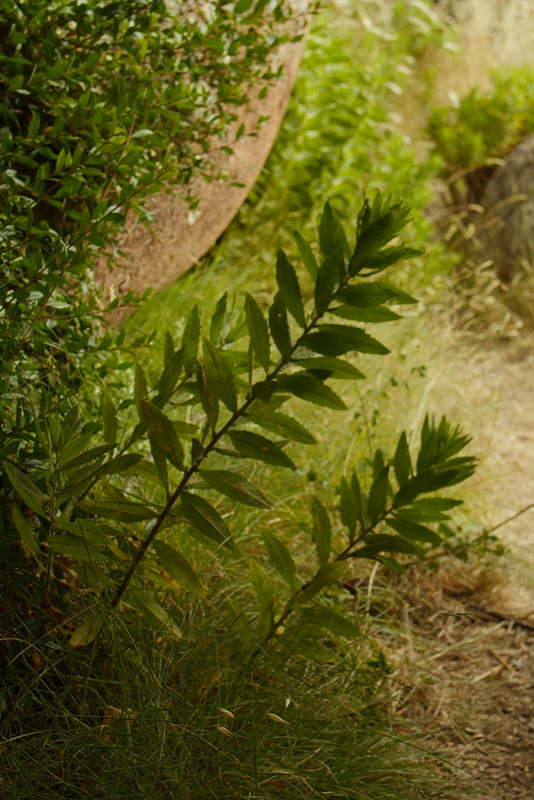
The first kingdom is made of secret plants, mingled with the soil and the soles of your feet, even now, as you walk in the setting sun. Myrtle, absinthe, golden patches of broom. The invisible, the visible, fills your gaze.
Night isn’t far off, but not yet near. There’s still time. Shadows fall. The sky-blue shadows of the dream are more real than actual shadows.
The second kingdom is animal. The secret plants beckon invisible animals to settle here. There are two of them, perhaps just as imaginary: rivals, foes, spirit-guides, cat and rabbit. Your imaginary fingers stroke their fur from head to tail, but the animals won’t let you catch them, not alone, nor ever together. The cat’s presence is the rabbit’s absence, and vice versa. The cat stands guard, the rabbit gets away, and wherever their paws rest—never at the same time—something new appears: the tiniest of lichens, life reduced to its essence, ultimate, impossible, possible everywhere. You carry all this with you.
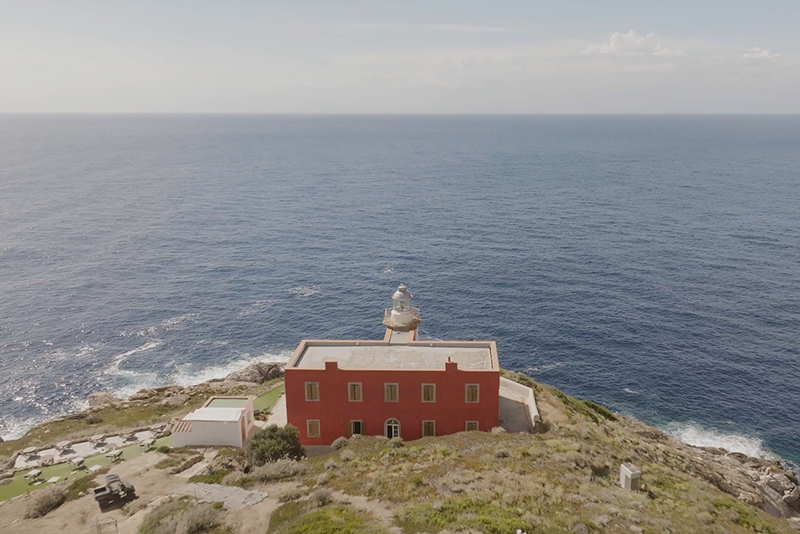
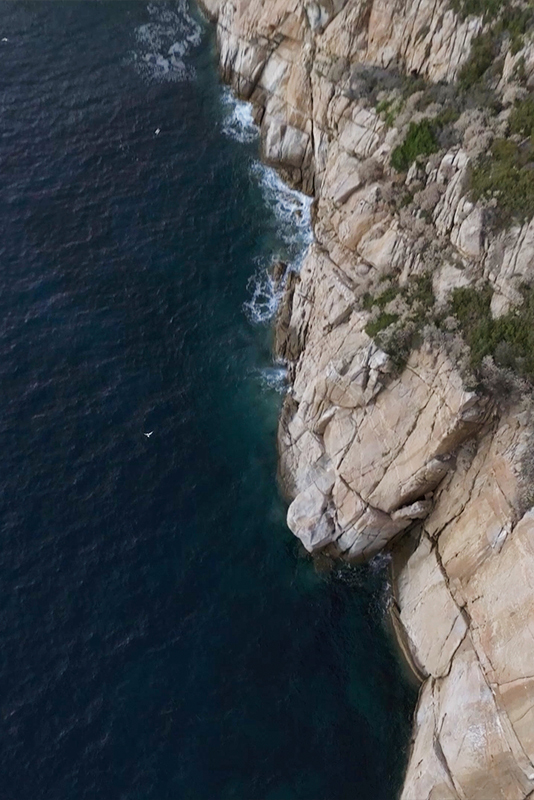
You’ve nearly reached the end of the trail, almost there. The third kingdom surrounds you, not hidden from view but dazzlingly visible. On the island, this kingdom is everything the vineyard is not, but rather a trace and footprint. Nearby, the lighthouse of Fenaio which seems to signal a border, the arid bluffs of Le Secche where the sea strives to mimic the land, its cliffs and stones. Stones that were once houses, walls and palmentos where many found shelter from the sun and heat, from the night.
Here the ancient dwellers of the island dreamed in closer quarters, nearer to each other.
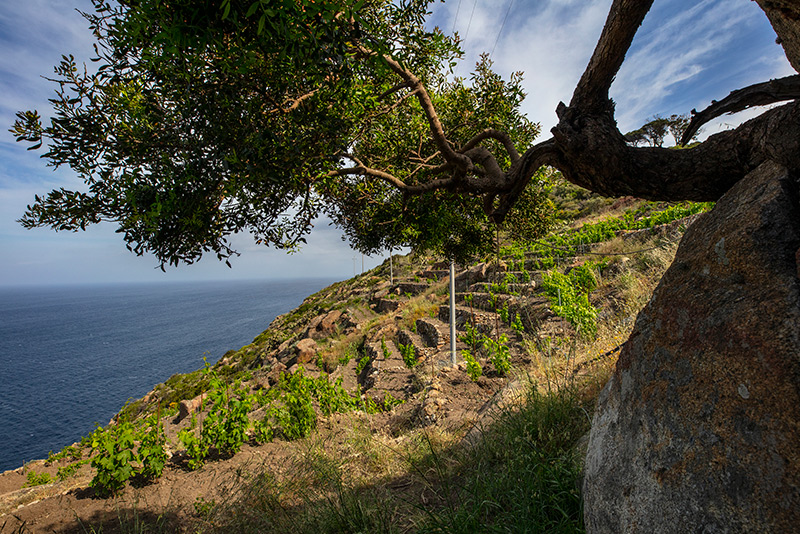
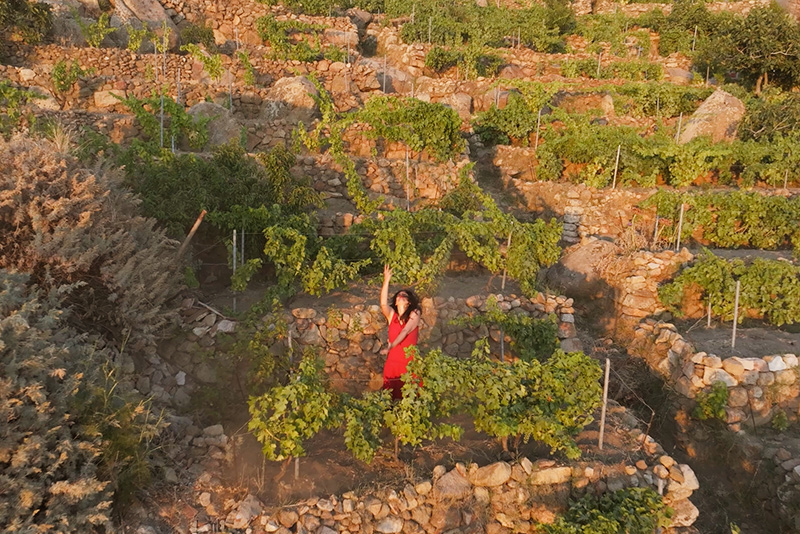
The third of these kingdoms is the earth, your self, the you that existed before you did. In the silence that pulses with birdsong, you feel the blood rush through your body, the wind one and the same with the sea, impossibly entwined, an ever-changing, endless sea-wind everywhere on the island. Now, the vines planted a thousand years ago grow sideways through your fingers, as amid the dry stone walls.
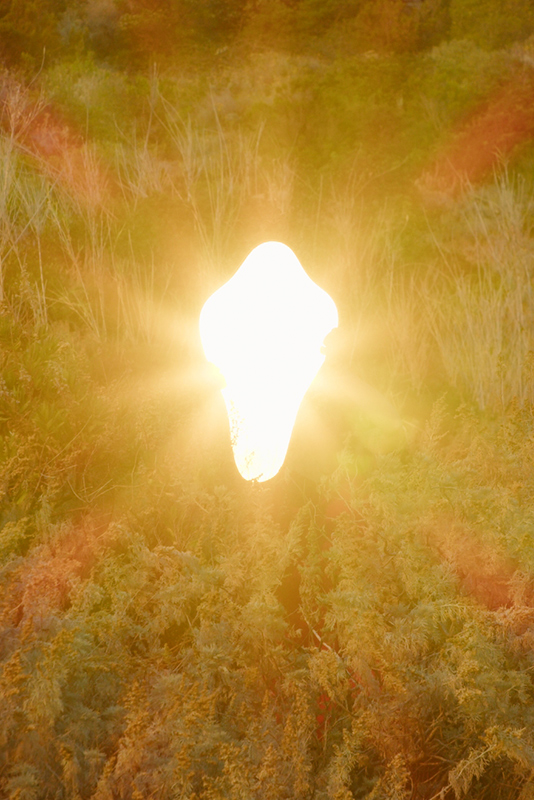
Everything turns orange, red, gold.
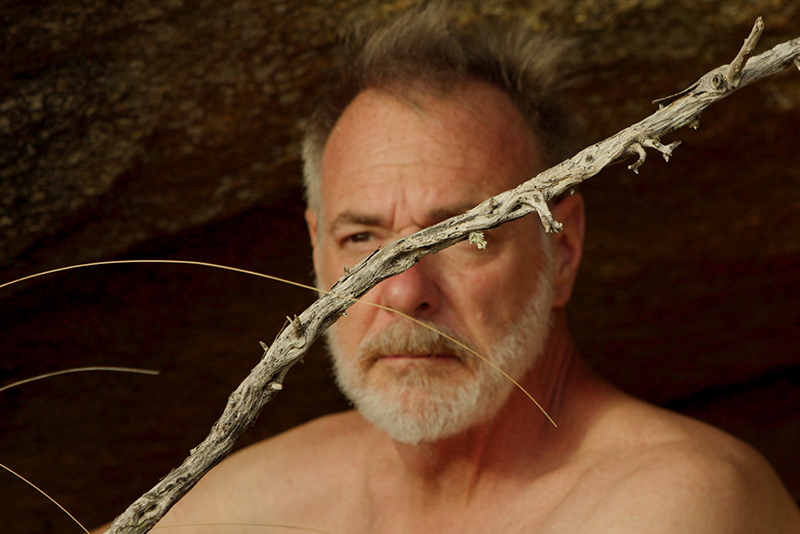
Beside you, someone is smiling.
Laura Pugno
Translated by Julia Nelsen
Imagine a day among friends. Together, you explore coastal trails as afternoon turns to evening. Reaching the vineyard takes some effort, leading you through kingdoms that ordinarily remain unseen. Not because they are invisible, but because they are hidden.
Now it’s time for you and your friends to dream, as one—about these places that exist only because they’ve long been the stuff of shared dreams, these little lives that become vast.
Really, even those who believe they dream alone belong to the dreams of others. They become part of the shared dream. They become the island.
The first kingdom is made of secret plants, mingled with the soil and the soles of your feet, even now, as you walk in the setting sun. Myrtle, absinthe, golden patches of broom. The invisible, the visible, fills your gaze.
Night isn’t far off, but not yet near. There’s still time. Shadows fall. The sky-blue shadows of the dream are more real than actual shadows.
Continue reading >
The second kingdom is animal. The secret plants beckon invisible animals to settle here. There are two of them, perhaps just as imaginary: rivals, foes, spirit-guides, cat and rabbit. Your imaginary fingers stroke their fur from head to tail, but the animals won’t let you catch them, not alone, nor ever together. The cat’s presence is the rabbit’s absence, and vice versa. The cat stands guard, the rabbit gets away, and wherever their paws rest—never at the same time—something new appears: the tiniest of lichens, life reduced to its essence, ultimate, impossible, possible everywhere. You carry all this with you.
You’ve nearly reached the end of the trail, almost there. The third kingdom surrounds you, not hidden from view but dazzlingly visible. On the island, this kingdom is everything the vineyard is not, but rather a trace and footprint. Nearby, the lighthouse of Fenaio which seems to signal a border, the arid bluffs of Le Secche where the sea strives to mimic the land, its cliffs and stones. Stones that were once houses, walls and palmentos where many found shelter from the sun and heat, from the night.
Here the ancient dwellers of the island dreamed in closer quarters, nearer to each other.
The third of these kingdoms is the earth, your self, the you that existed before you did. In the silence that pulses with birdsong, you feel the blood rush through your body, the wind one and the same with the sea, impossibly entwined, an ever-changing, endless sea-wind everywhere on the island. Now, the vines planted a thousand years ago grow sideways through your fingers, as amid the dry stone walls.
Everything turns orange, red, gold.
Beside you, someone is smiling.
Laura Pugno
Translated by Julia Nelsen
The Island
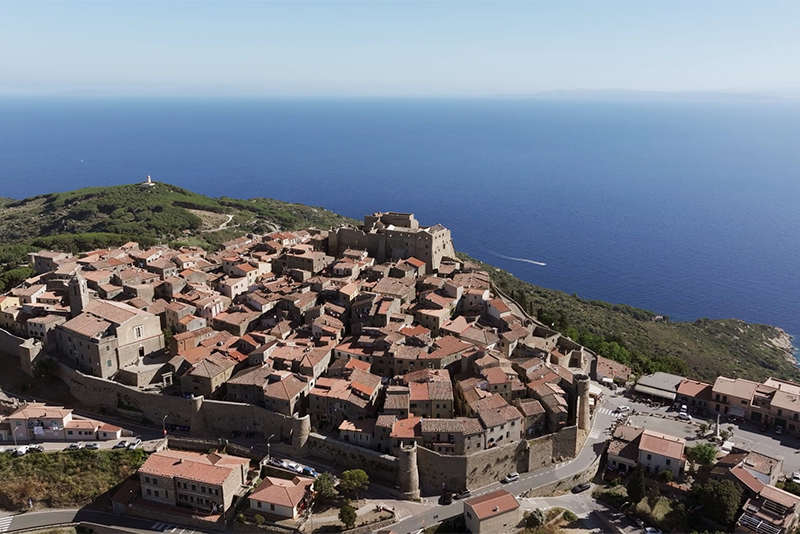
Paradiso dei Conigli was born on a sunny day in May. It was 2015 when the enchantment of Isola del Giglio appeared before our eyes in the form of an old abandoned vineyard, and a piece of uncultivated land, where the only thing that we could make out amongst the Mediterranean scrub was an old oven for drying figs. It was in this place, as fascinating as it was impervious and inhospitable to the farmer, that we decided to create our own, different and personal project.
The Utopia
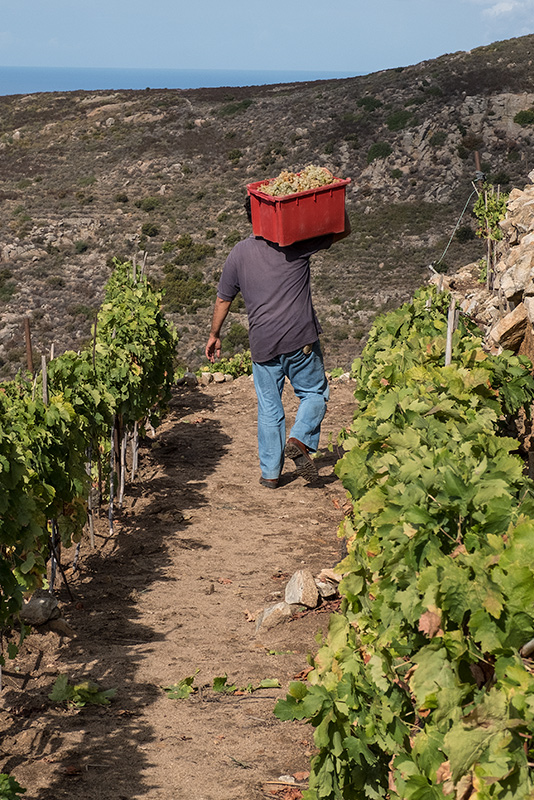
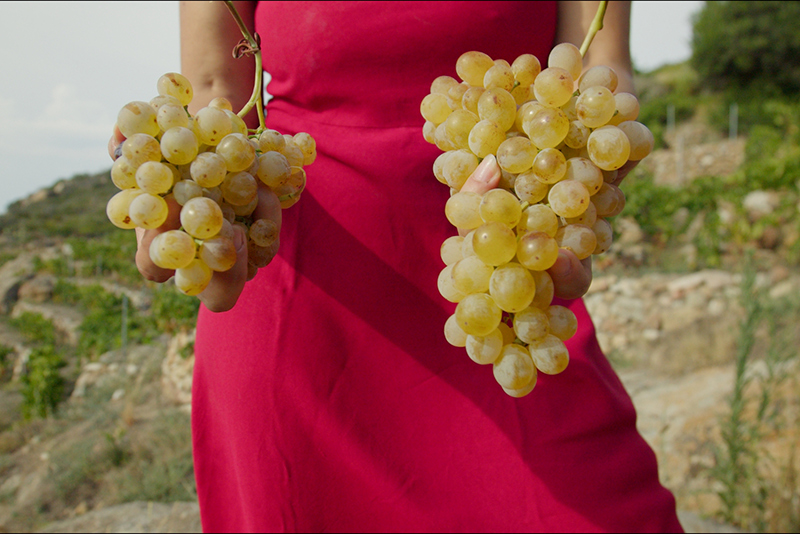
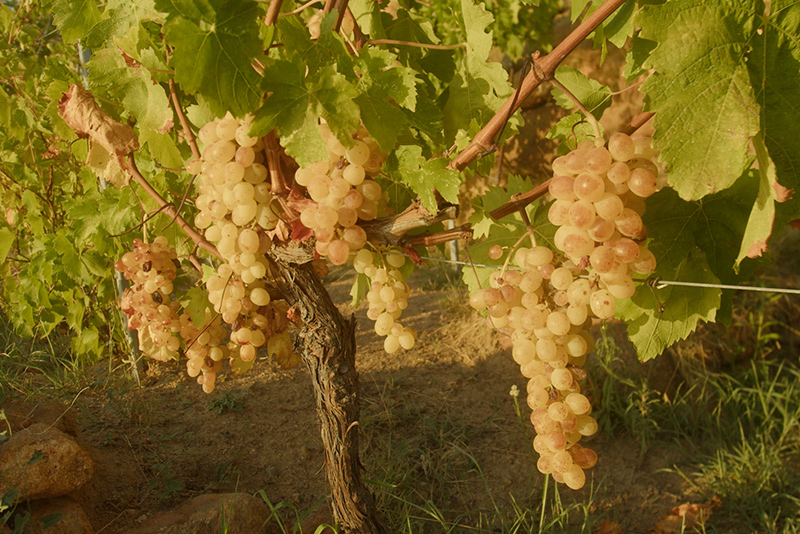
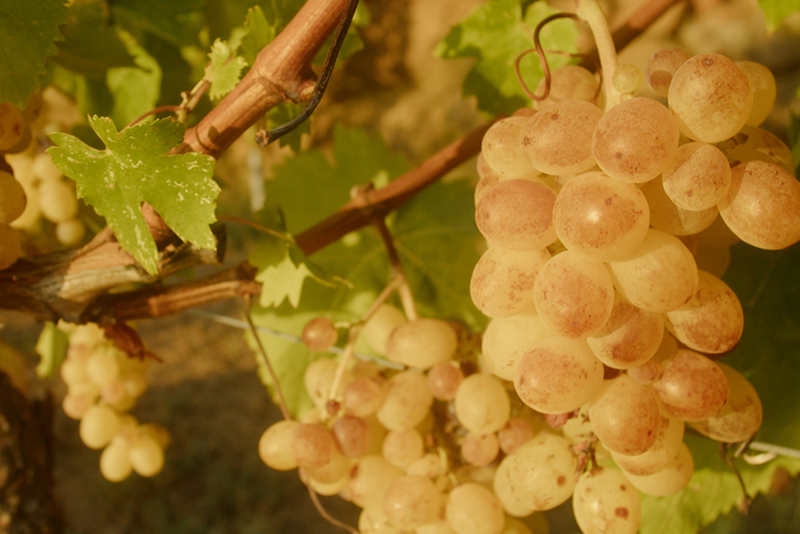
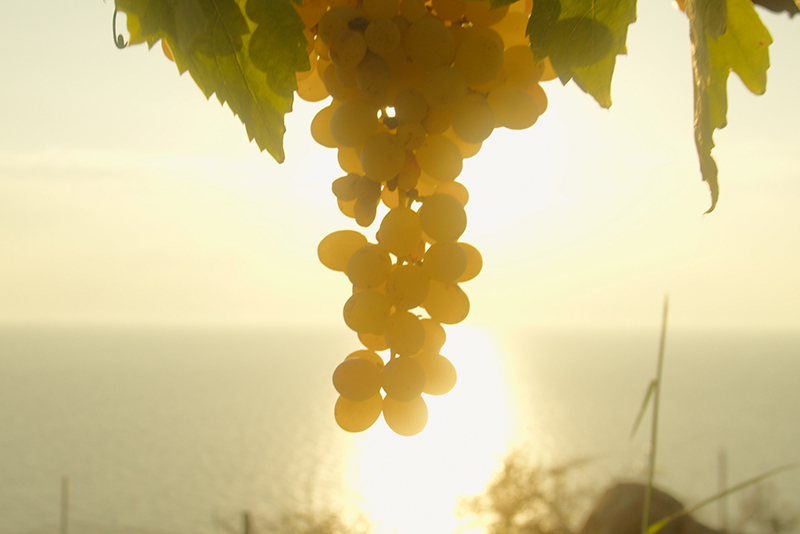
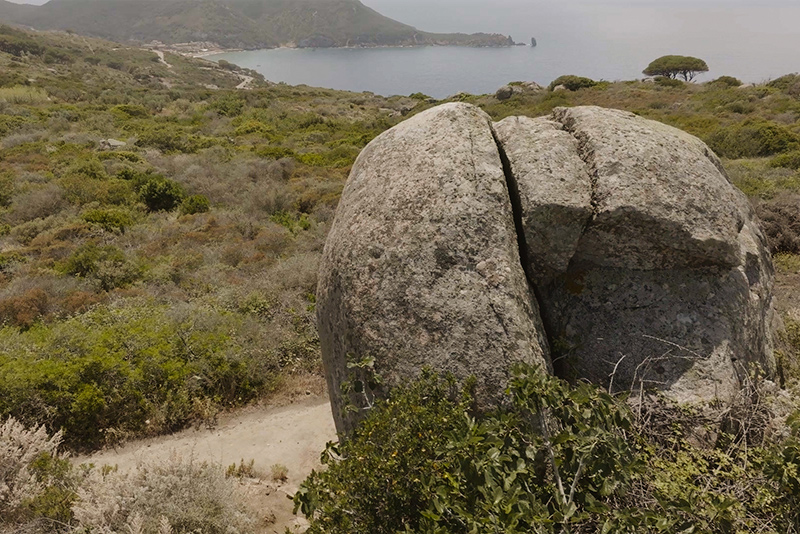
We are 100 meters above sea level, in the northwestern part of the island, in one of its hottest areas, called “Le Secche”. The evocative Faro del Fenaio lighthouse provides the backdrop to the 6,000 meters of vineyard between the rocks, and can only be reached on foot. The idea was to make a wine that respects – as much as possible – the expression of the Ansonica grape variety, and the terroir of the Island.
The Alchemy
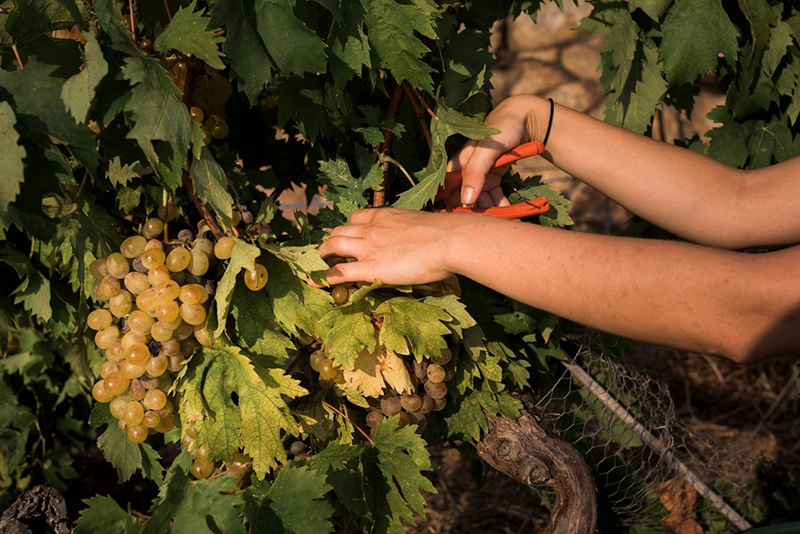
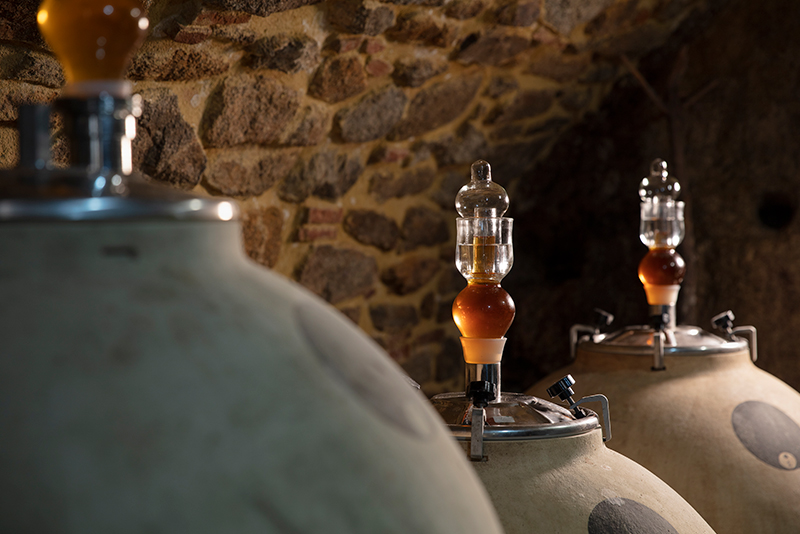
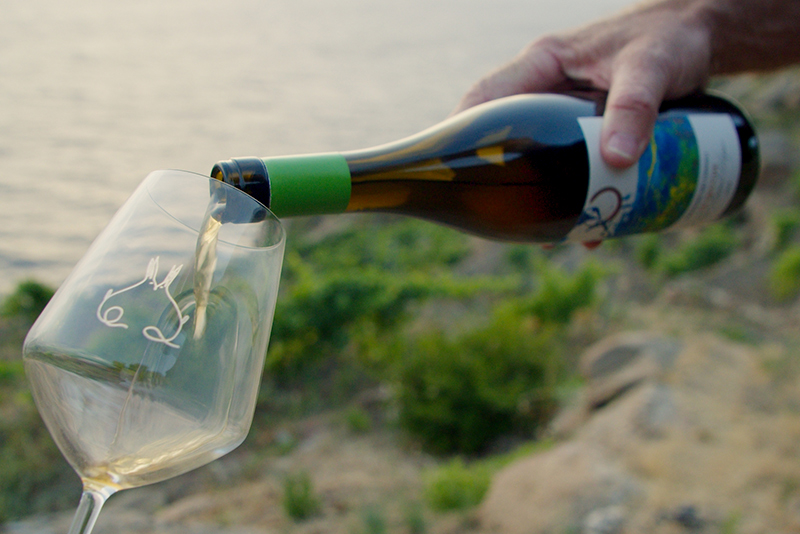
Production amounts to about 600 bottles of “Le Secche”, orange-wine made mainly with white Ansonica grapes, and smaller quantities of native varieties (such as biancone, procanico, and malvasia etc).
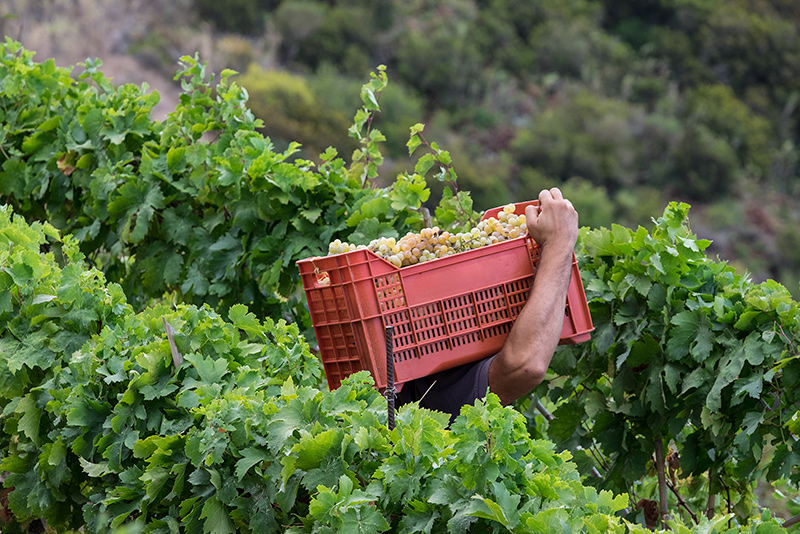
Cultivation and vinification processes are completely manual and natural. Part of the mass is vinified using whole grapes (including the stems) in steel, with maceration, for a few days. Once transferred to the barrel, it undergoes white- wine fermentation. It is refined in ceramic clayvers for about a year, and aged in the bottle for a further 12 months.
The Wine
“Le Secche Igt Toscana” – Paradiso dei Conigli
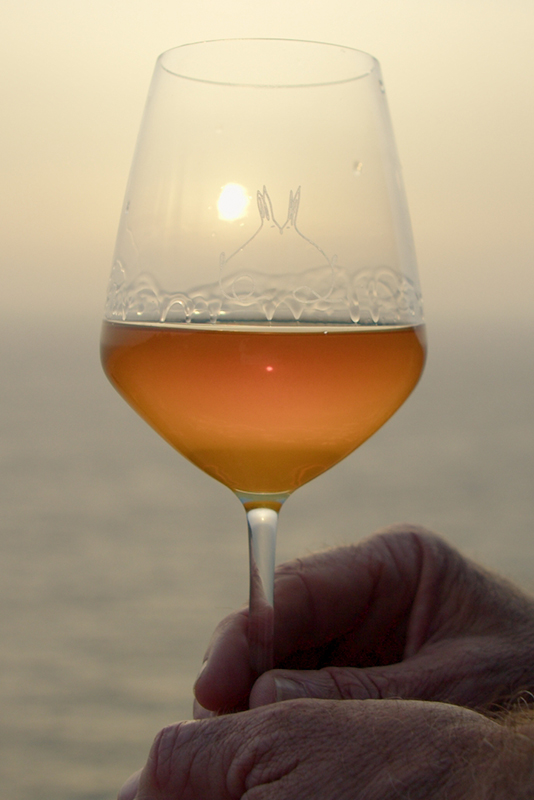
Almost amber in colour, in the glass it preserves all the scents of the island and Mare Nostrum. An ancient and natural fragrance, reminiscent of the sun and hot stone, ripe fruit and sea water with notes of orange blossom, wild herbs, wild fennel, beeswax and rosemary; envelop yourself at room temperature with lingering warm aromas of orange blossom, hay, lemon, and eucalyptus.
On the palate it presents hints of resinous stain and an unusual freshness of strawberry and iodine, broom, thyme, and mint, with a finish of ginger and sea salt. Alcohol: 12,5% .
The only recommended pairing: with joy!
SENTIERI 11
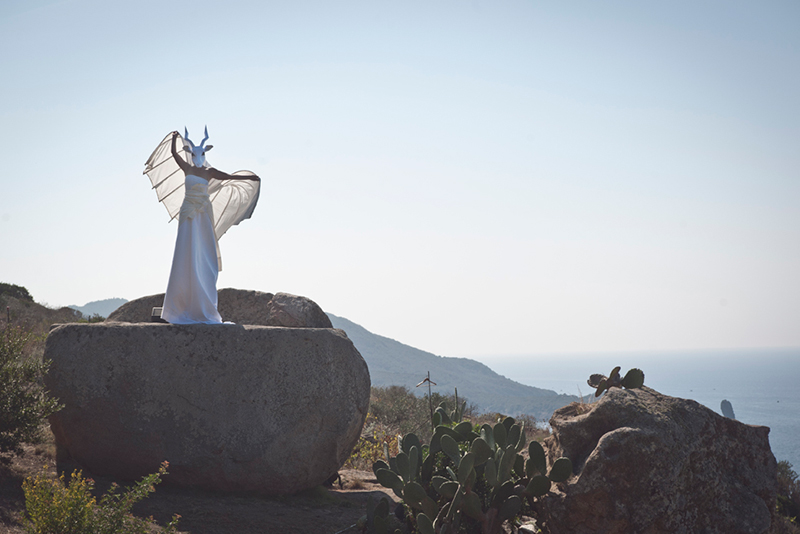
Performance in the vineyard.
Sentieri is a project devoted to places waiting to be rediscovered, conceived and directed by Serena Gatti and Raffaele Natale | Compagnia Azul.
A shift of light. A step just beyond the path. Suddenly, another shade appears, a side of a place we had forgotten, or perhaps no longer know how to see.
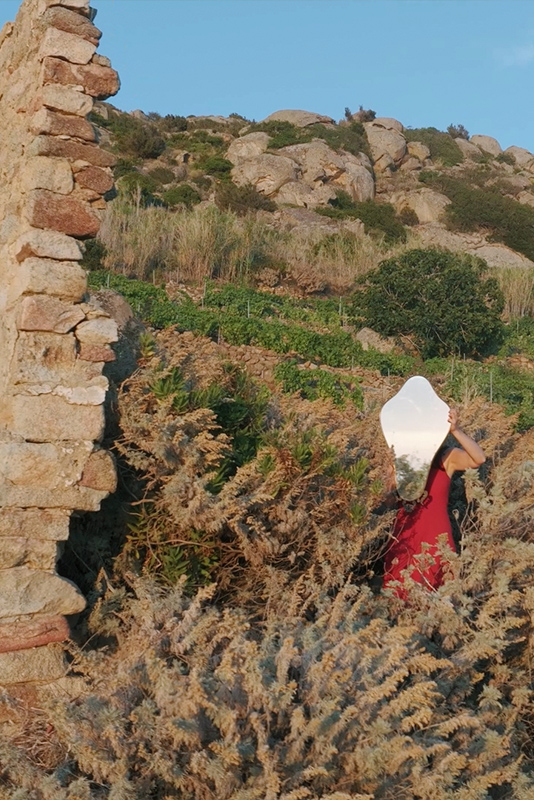
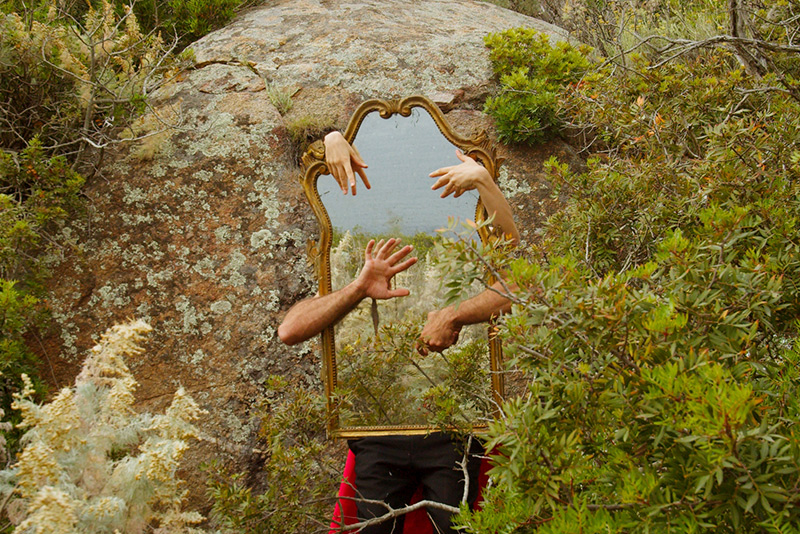
Sentieri #11 is a poetic short film created in situ for the vineyard Il Paradiso dei Conigli, born in deep resonance with the landscape and inspired by the forgotten north-west ridge of the Island of Giglio. Conceived as a site-specific creation, the film unfolds as a dreamlike journey through the land.
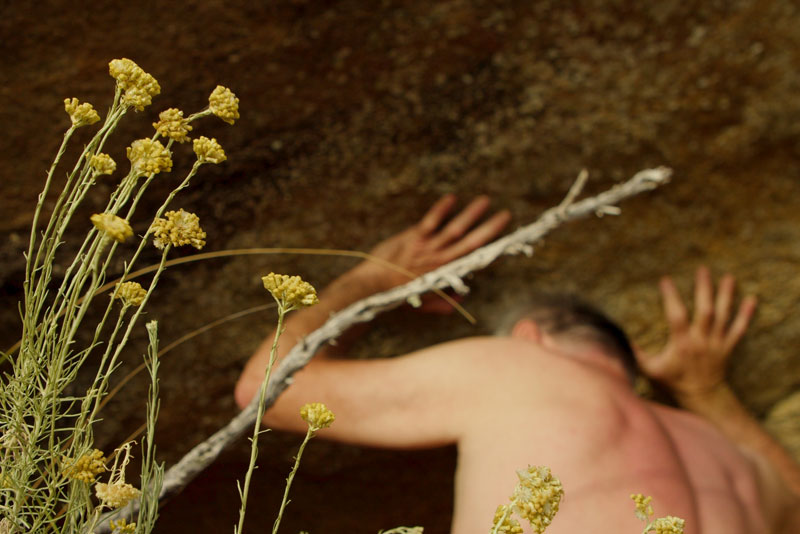
Walking becomes a poetic act: a nomadic flow of perception, a changing perspective, a source of creation. Through cinema and performance, the landscape becomes both stage and guide — inviting us to slow down, to rediscover wonder, and to notice the fragile beauty that surrounds us.
Sentieri #11 is not only a short film, but a doorway into another world: an invitation to listen, feel and immerse ourselves in the landscape, where every stone, breath and sound becomes part of a living experience.
The original music by Raffaele Natale and the poetic verses by Serena Gatti create a sensory and meditative dimension that deepens the encounter with the place.
Azul’s artistic research brings together visual language, dance, poetry and music, opening a dialogue between body and environment. What emerges is not simply something to watch, but a path to experience, where every step becomes an act of discovery.
Production: Massimo Piccin and Podere Sapaio
Performance in the vineyard.
Sentieri is a project devoted to places waiting to be rediscovered, conceived and directed by Serena Gatti and Raffaele Natale | Compagnia Azul.
Continue reading >
A shift of light. A step just beyond the path. Suddenly, another shade appears, a side of a place we had forgotten, or perhaps no longer know how to see.
Sentieri #11 is a poetic short film created in situ for the vineyard Il Paradiso dei Conigli, born in deep resonance with the landscape and inspired by the forgotten north-west ridge of the Island of Giglio. Conceived as a site-specific creation, the film unfolds as a dreamlike journey through the land.
Walking becomes a poetic act: a nomadic flow of perception, a changing perspective, a source of creation. Through cinema and performance, the landscape becomes both stage and guide — inviting us to slow down, to rediscover wonder, and to notice the fragile beauty that surrounds us.
Sentieri #11 is not only a short film, but a doorway into another world: an invitation to listen, feel and immerse ourselves in the landscape, where every stone, breath and sound becomes part of a living experience.
The original music by Raffaele Natale and the poetic verses by Serena Gatti create a sensory and meditative dimension that deepens the encounter with the place.
Azul’s artistic research brings together visual language, dance, poetry and music, opening a dialogue between body and environment. What emerges is not simply something to watch, but a path to experience, where every step becomes an act of discovery.
Production: Massimo Piccin and Podere Sapaio
IMAGES